


ttjl | Exploring the Immersive World of Strategy Games
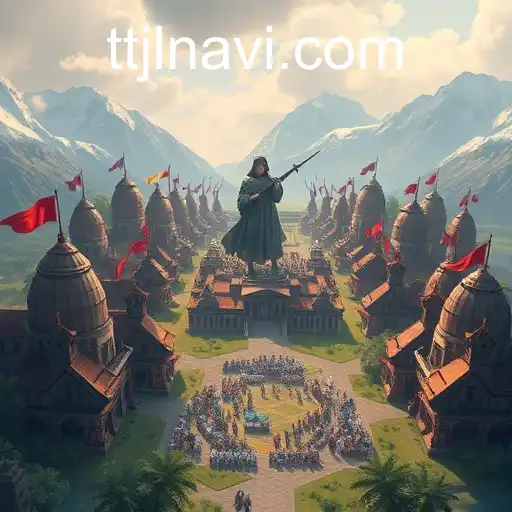
Strategy games have long held a cherished spot in the realm of gaming, captivating players with their requirement for critical thinking, foresight, and planning. As one of the most intellectually engaging categories in the digital gaming arena, strategy games encompass a broad range of styles and formats, from real-time strategies (RTS) to turn-based strategies (TBS), each bringing its unique flavor to gameplay.
The defining feature of strategy games is their emphasis on skillful thinking and planning to achieve victory. Unlike action games that may focus on quick reflexes, strategy games reward players for their ability to anticipate opponents' moves, manage resources effectively, and execute well-thought-out plans. This, in turn, makes them particularly appealing to those who enjoy solving puzzles and strategizing, offering a deep satisfaction akin to completing a complex chess maneuver or a well-orchestrated plan in a board game.
Over the years, the genre has evolved significantly, starting from simple text-based games in the early computer era to the immersive, graphically stunning games available today. "StarCraft," "Civilization," and "Age of Empires" are some of the iconic titles that have set high standards and have a loyal fanbase. These games not only offer competitive multiplayer experiences but also rich single-player campaigns that provide insightful historical contexts or speculative futuristic worlds.
One of the key appeals of strategy games is their diversity. Real-time strategy games, such as "Command & Conquer" and "Warcraft," simulate continuous gameplay where players must manage economies, armies, and strategies in real time, creating a dynamic intensity that is both hectic and exhilarating. On the other hand, turn-based strategy games like "X-COM" and "Total War" allow players to analyze their options and make calculated decisions without the pressure of time, appealing to those who enjoy a more methodical approach.
The rise of mobile and online gaming has further broadened the reach of strategy games, introducing titles like "Clash of Clans" and "Hearthstone" that are accessible on-the-go yet still provide the depth characteristic of the genre. Additionally, the introduction of massively multiplayer online strategy games (MMOSGs) allows for unprecedented levels of player interaction, strategy, and global cooperation or competition.
The evolving landscape of technology continues to open new possibilities for strategy games, with developments in artificial intelligence allowing for more sophisticated opponent behaviors and procedurally generated environments that provide endless gameplay variety. As virtual reality becomes more commonplace, the potential for even more immersive strategic experiences becomes a thrilling prospect for the future of this beloved genre.
In an ever-growing gaming market, strategy games continue to hold a significant place, providing gamers with endless hours of challenge and enjoyment. Whether you're leading a fleet in space, building a civilization from scratch, or outmaneuvering your opponents on a digital battlefield, strategy games offer a unique and intellectually stimulating experience that captivates and rewards like no other.
